
Choosing Screen Printing Ink: A Comprehensive Guide for High-Quality Printing
One of the key factors in achieving beautiful, sharp, and long-lasting screen printing results is the “ink” used, because even with the best printing equipment, if the ink is not suitable, the work can easily fail.
Screen printing is a popular art and craft that is widely appreciated, whether it’s for creating your own clothing brand, team shirts, or various memorabilia. The key to high-quality and durable screen printing lies in selecting the right ink that suits the type of fabric and intended use. This article delves into the different types of screen printing inks and techniques for choosing the right ink for your project to achieve beautiful, long-lasting results that meet customer needs.
Why is choosing the right screen printing ink important?
Choosing the wrong type of ink can lead to various problems, such as dull colors, easily flaking ink, stiff fabric, or even production issues like ink drying too quickly or clogging the screen. Understanding the properties of each type of ink is crucial to creating the highest quality work.
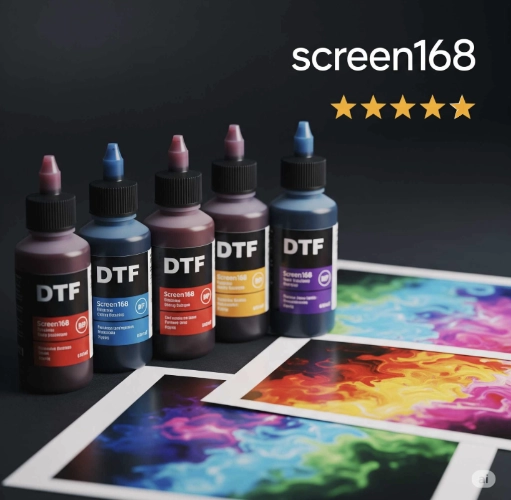
If you need DTF ink, Screen168 offers high-quality white and CMYK ink that has been tested.
Popular Types of Screen Printing Inks
There are several types of screen printing inks, each with different properties and advantages:
1. Plastisol Ink
Properties:
Made from a type of plastic (PVC) mixed with coloring agents, it does not dry by evaporation but requires high heat (about 150-160 degrees Celsius) to set.
Advantages: Provides bright colors, high opacity, suitable for printing on dark fabrics, flexible, durable against washing, does not dry easily on the screen (enabling continuous work), clear and vivid colors, adheres well to fabric, commonly used for large-scale printing such as event shirts and advertising shirts.
Disadvantages: Thick texture, may feel stiff on large areas, not suitable for poorly breathable fabrics, requires specific heat curing equipment, not suitable for dark fabrics without an underbase, colors may fade after washing if not properly heat set.
Suitable for: General t-shirts, sports shirts, fashion shirts requiring bright and opaque colors.
2. Rubber/Soft Hand Ink
Properties:
This ink contains synthetic rubber, making the ink flexible and providing a softer touch compared to plastisol ink.
Advantages: Provides a soft fabric-like feel, highly flexible, durable through washing, suitable for printing on fabrics requiring extra softness.
Disadvantages: Less opaque than plastisol ink, may require multiple prints for dark fabrics, may need special color mixing to achieve desired shades.
Suitable for: Fashion t-shirts, children’s shirts, shirts requiring a light and soft touch.
3. Water-Based Ink
Properties:
This ink is primarily water-based, allowing it to penetrate fabric fibers well and dry through evaporation. Water-based ink is highly popular due to its soft feel and ability to blend well into fabric, especially cotton. It is ideal for projects requiring soft, comfortable fabric.
Advantages: Provides a very soft feel, like part of the fabric, good air permeability, environmentally friendly (non-toxic), easy to clean with water.
Disadvantages: Very low opacity, not suitable for dark fabrics (unless using Water-based Discharge ink), may fade after washing if not heat-set properly, dries quickly on the screen (requires quick work), more difficult to maintain than plastisol ink.
Suitable for: Children’s clothing, fashion clothing requiring light and comfortable wear, printing on light-colored fabrics for a vintage look.
4. Discharge Ink (Fabric Bleaching Ink)
Properties:
A special water-based ink that includes chemicals to bleach natural cotton fabric and replace it with the ink’s color.
Advantages: Provides the softest feel, as if there is no print, vibrant colors on dark fabrics without a white underbase, excellent air permeability.
Disadvantages: Only works on 100% cotton dyed with dye that reacts with discharge ink (some fabrics may not change color), has a strong smell during curing, more complex process than regular ink.
Suitable for: Vintage t-shirts, fashion shirts requiring natural-looking printed patterns, 100% cotton.
5. Solvent-Based Ink
Properties:
This ink contains oil-based solvents and dries through solvent evaporation.
Advantages: Good adhesion on various materials such as nylon, leather, metal, plastic, high durability against weather and abrasion.
Disadvantages: Strong smell, harmful to health and the environment if not handled carefully, requires specific solvents for cleaning.
Suitable for: Jackets, bags, umbrellas, or non-cotton materials.
6. DTF Ink (Direct to Film Ink)

This ink is used for printing on film and then transferring it onto clothing. It is suitable for all types of printing and can be used on both light and dark fabrics. Screen168 offers this ink for sale, and our in-house engineers have tested it and found it to be of high quality, ideal for high-quality printing jobs.
Advantages: The design adheres firmly, no pre-treatment is required, and it supports a variety of fabric types.
Disadvantages: Requires compatible DTF film and powder.
How to Choose the Right Ink for Screen Printing
Choosing the right ink depends on the purpose of the screen printing and the type of fabric being printed. Here are some simple guidelines to follow:
1. Type of Fabric
100% Cotton: This is the most versatile fabric and can be used with all types of ink (plastisol, rubber, water-based, discharge).
Blended Fabrics (Cotton/Polyester Blend): Choose plastisol or rubber ink designed for blended fabrics to prevent dye migration.
Synthetic Fabrics (Polyester, Nylon, Spandex): Low bleed plastisol or oil-based ink designed specifically for synthetic fabrics are the best choices because these fabrics are prone to dye migration.
2. Color of the Fabric
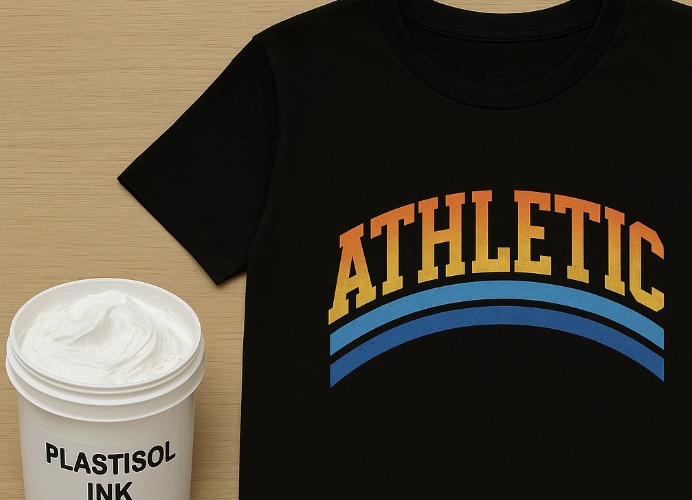
Light Colored Fabrics: Can be used with all types of ink. For bright and opaque colors, choose plastisol ink. For soft and lightweight prints, choose water-based ink.
Dark Colored Fabrics: Plastisol ink is recommended for opaque and bright colors. For soft prints on dark fabrics, consider discharge ink (for cotton) or soft-hand plastisol ink.
3. Desired Feel and Look of the Print
For bright, opaque, and durable prints: Choose plastisol ink.
For soft, stretchy, and lightweight prints: Choose rubber ink or water-based ink.
For prints that blend into the fabric and feel the softest: Choose discharge ink (for cotton).
For fashion wear that needs to be soft and comfortable, water-based ink is suitable for 100% cotton clothing such as fashion t-shirts and children’s clothing, providing comfort and good breathability.
For dark color prints requiring sharp clarity, plastisol ink is recommended for block screen printing as it provides a more solid and sharp finish.
For printing images on clothing, use DTG or DTF. For dark colored shirts that require a white underbase, use DTG ink, or switch to DTF for higher clarity.
4. Budget and Equipment Available
Plastisol Ink: Most popular and easily available, with a range of prices. Requires a heat press.
Water-Based/Discharge Ink: Similar in price to plastisol but may dry slower and may require a heat press.
Discharge Ink: Slightly more expensive than regular ink and requires good ventilation in the workspace.
Quick Screen Printing: Ideal for DTF Ink, especially for 1-5 pieces, no need to spend time making blocks.
High-Durability Repeated Printing: Recommended for DTF as it withstands heat pressing, patterns do not easily fade, and it is machine washable.
5. Working Environment
If considering the environment and health of the workers, water-based ink is recommended as it has the least chemicals.
Additional Tips for the Best Screen Printing Results
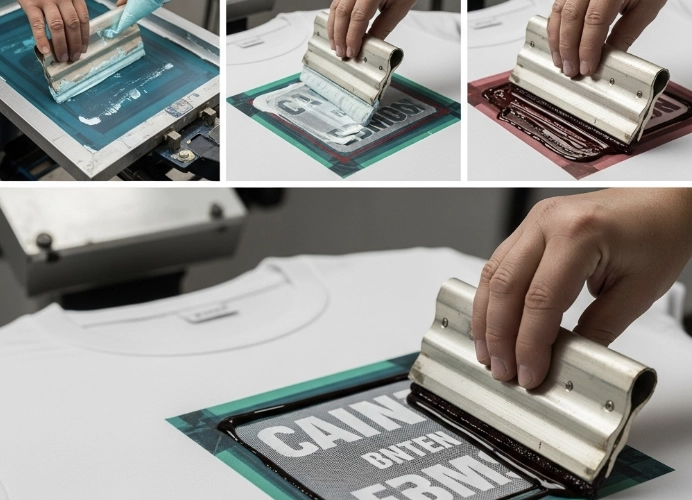
Screen Block Preparation: Choose the mesh screen resolution that suits the ink type and image resolution. Thicker inks like plastisol should use a coarser mesh than water-based inks.
Underbase Printing: For printing on dark fabrics with transparent inks like water-based ink or to make plastisol ink colors brighter, print a white underbase first, then print the color over it.
Curing Ink: Follow the manufacturer’s instructions strictly regarding temperature and time for curing to ensure the ink sets properly and lasts longer.
Equipment Maintenance: Clean the screen blocks and other equipment immediately after use to extend their lifespan and prevent ink clogging.
Choosing the right screen printing ink is a crucial step that should not be overlooked. Understanding the properties of each ink type, along with considering factors such as fabric type, fabric color, touch requirements, budget, and available equipment, will help you make the right decision and create high-quality, beautiful, and durable screen-printed shirts that satisfy customers and add value to your business.
Even if you choose the correct ink type, poor quality can lead to problems later on, such as cracking, fading, or bleeding. Therefore, it is important to choose ink based on these principles, test it before actual use, especially for customer orders. If doing DTF, choose new ink rather than stock.
Ink is a critical factor directly affecting the quality of screen-printed shirts. If you choose ink that suits the shirt type and intended use, it will help the printed shirts look beautiful and clear, maintaining the reputation of your shop.
A screen printing shop that understands ink selection will reduce repair costs, reduce waste, and easily impress customers.
Ready to Print Custom DTF with Screen168 Bangkok?
Single pieces to bulk wholesale. Free artwork file check and instant online pricing 24/7.
🚀 View Sizes, Prices & Order Online→