
DTF Screen Printing Tips for Durable Prints
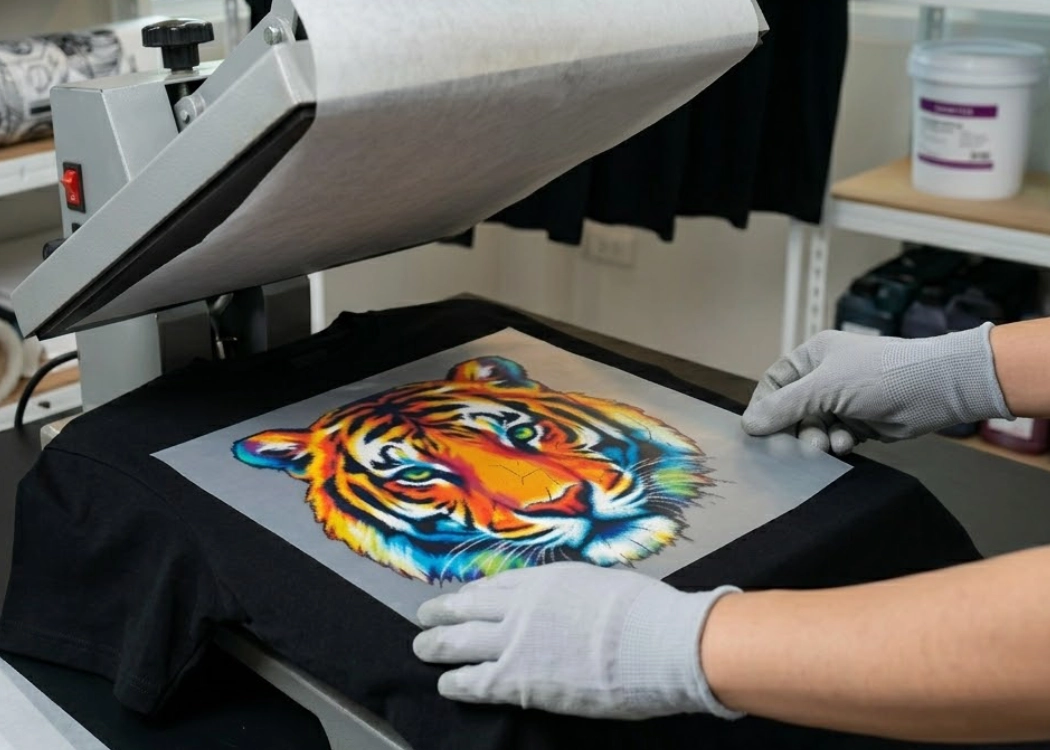
DTF T-Shirt Printing: Enhancing Durability with the Second Press Technique
Currently, DTF (Direct to Film) T-Shirt Printing has become highly popular in the garment printing industry, offering numerous benefits that cater to consumer and business needs. These include unlimited color options, versatility in printing on various fabrics, and on-demand printing without the need for large stock inventories.
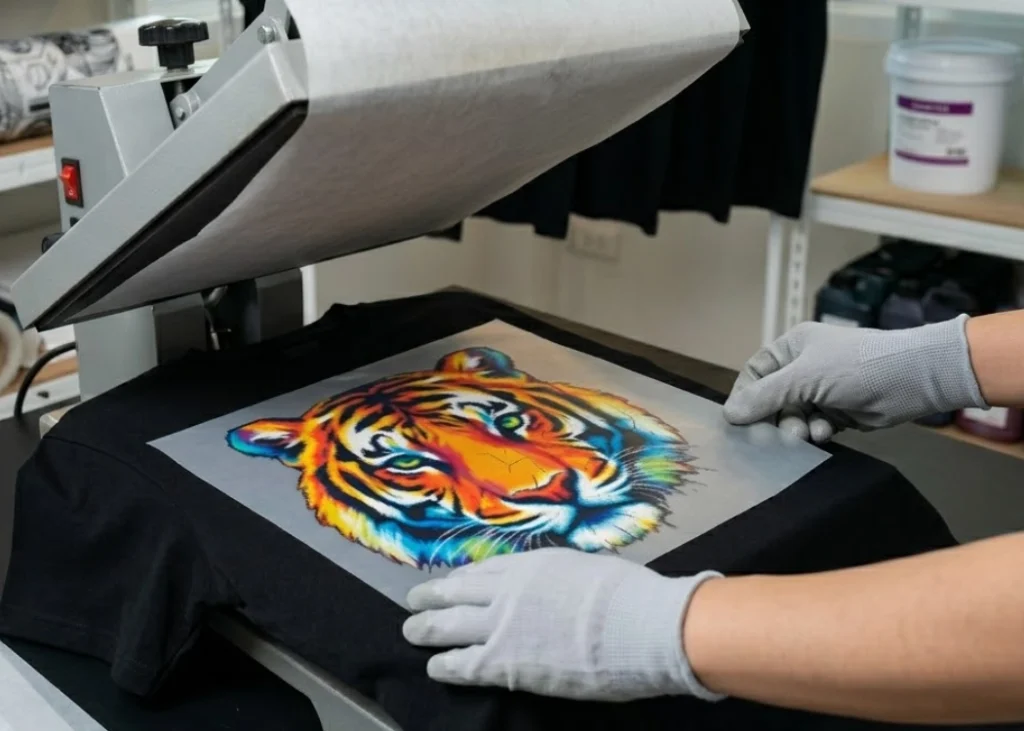
Despite the many advantages of DTF, one common issue is the durability of the prints, particularly in terms of washing resistance, abrasion resistance, and the feel of the print, which can sometimes appear thick and rigid. These issues can be addressed with proper techniques, especially the “Second Press” technique, which is crucial in enhancing the quality and durability of DTF prints.
Understanding the Second Press Technique
The Second Press technique, also known as Over-pressing, involves placing a DTF-printed garment back into the heat press machine without using a new film. This step applies consistent heat and pressure directly to the print on the fabric, using a release sheet (such as parchment paper or Teflon sheet) to prevent the ink from sticking to the heat press head.
Why the Second Press Enhances Print Durability
Consistent Heat and Pressure
The Second Press ensures consistent heat and pressure across the entire print area, allowing the ink and hot-melt adhesive powder to melt and penetrate the fabric fibers more thoroughly, resulting in better adhesion of the print to the fabric.
Eliminating Air Bubbles
During the initial DTF printing process, small air bubbles may be trapped between the print and the fabric. These bubbles can cause cracking or peeling of the print in the future. The Second Press helps eliminate these bubbles, making the print smoother and more uniform.
Full Melting of Ink and Adhesive
The heat from the heat press in the Second Press step fully melts the ink and adhesive powder, enhancing their adhesion to the fabric and improving the print’s wash and abrasion resistance.
Increasing the Softness of the Print
The Second Press makes the ink and adhesive more flexible and soft, enhancing the feel of the printed garment, especially for large prints.
Proper Second Press Steps
To achieve the best results, follow these steps:
Preparation
Ensure that the printed garment and release sheet (parchment paper or Teflon sheet) are clean and free of dust or debris.
Setting Up the Heat Press Machine
Set the temperature, time, and pressure of the heat press machine appropriately. Typically, the temperature should be between 150-160°C, the time around 10-15 seconds, and the pressure should be medium to high.
Placing the Garment
Place the printed garment on the base of the heat press machine with the print facing up.
Placing the Release Sheet
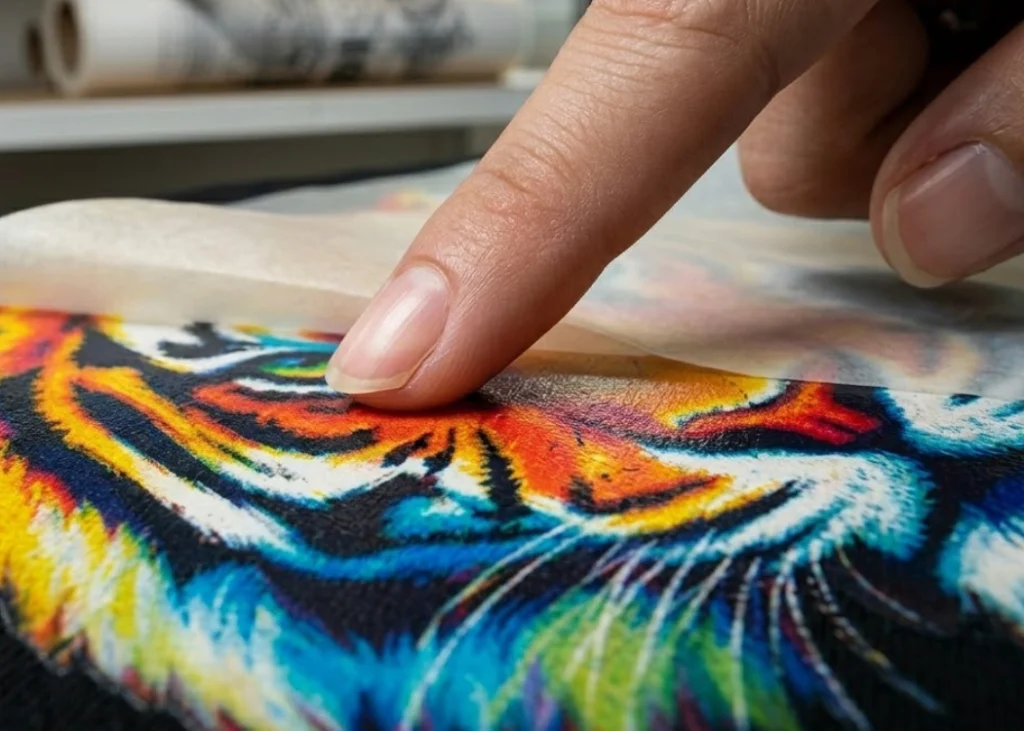
Place the release sheet over the print.
Performing the Second Press
Close the heat press machine and allow it to work for the set duration.
Removing the Garment
Once the heat press machine has completed its cycle, remove the garment and let it cool before folding or packaging.
Quality Control After the Second Press
After the Second Press, carefully inspect the print quality. If the print is not perfect, such as having cracks or peeling, adjust the working process accordingly.
Selecting High-Quality Materials
Choose high-quality film, ink, and hot-melt adhesive powder to ensure durable and attractive prints. Screen168 offers film, ink, and adhesive that meet OEKO-TEX standards.
Precautions During the Second Press
Avoiding Excessive Heat and Time
Using excessively high temperatures or times can damage the fabric or make the print appear rigid and unnatural.
Checking Fabric Quality
Before the Second Press, carefully inspect the fabric quality. If the fabric is not heat-resistant, adjust the working process accordingly.
Using Appropriate Pressure
Using excessive pressure can damage the fabric or make the print appear thick and rigid.
Conclusion
The Second Press technique is a crucial step in enhancing the quality and durability of DTF prints. Proper Second Pressing ensures a smooth, uniform, and durable print that is resistant to washing and abrasion. It also enhances the softness of the print and improves the feel of the printed garment. If you want high-quality and durable DTF prints, pay special attention to the Second Pressing step.
At Screen168, we understand the importance of the Second Pressing step. We have a team of experts with extensive knowledge and experience in DTF printing, equipped with modern tools and equipment to ensure high-quality and durable prints. You can be confident that your prints will receive meticulous care and attention at every step of the process.
Ready to Print Custom DTF with Screen168 Bangkok?
Single pieces to bulk wholesale. Free artwork file check and instant online pricing 24/7.
🚀 View Sizes, Prices & Order Online→