
Why is 'White Ink' Important in DTF Printing? How Does Density Affect Quality?
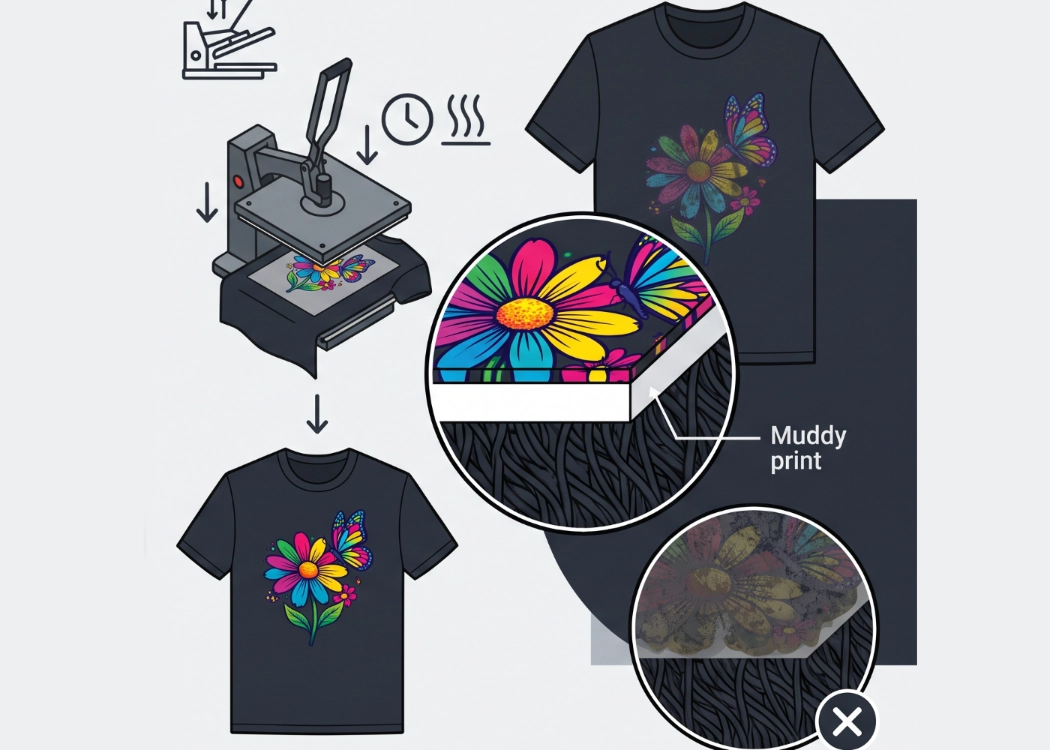
In today’s t-shirt printing business, DTF (Direct to Film) printing technology has revolutionized the industry with its ability to print designs onto film and then heat transfer them onto any fabric color. However, behind the beauty of the prints, the quality of the print—whether it is premium or subpar—depends heavily on the “White Ink.”
This article delves into why white ink is crucial in DTF printing and how its density affects the quality of B2B and B2C screen printing.
1. The Primary Role of White Ink in DTF Printing
In the DTF printing process, white ink does more than just create the white parts of the design. It also serves as a “base layer” by printing the vibrant colors (CMYK) onto the film first and then applying the white ink as the final layer. This white ink layer serves the following purposes:
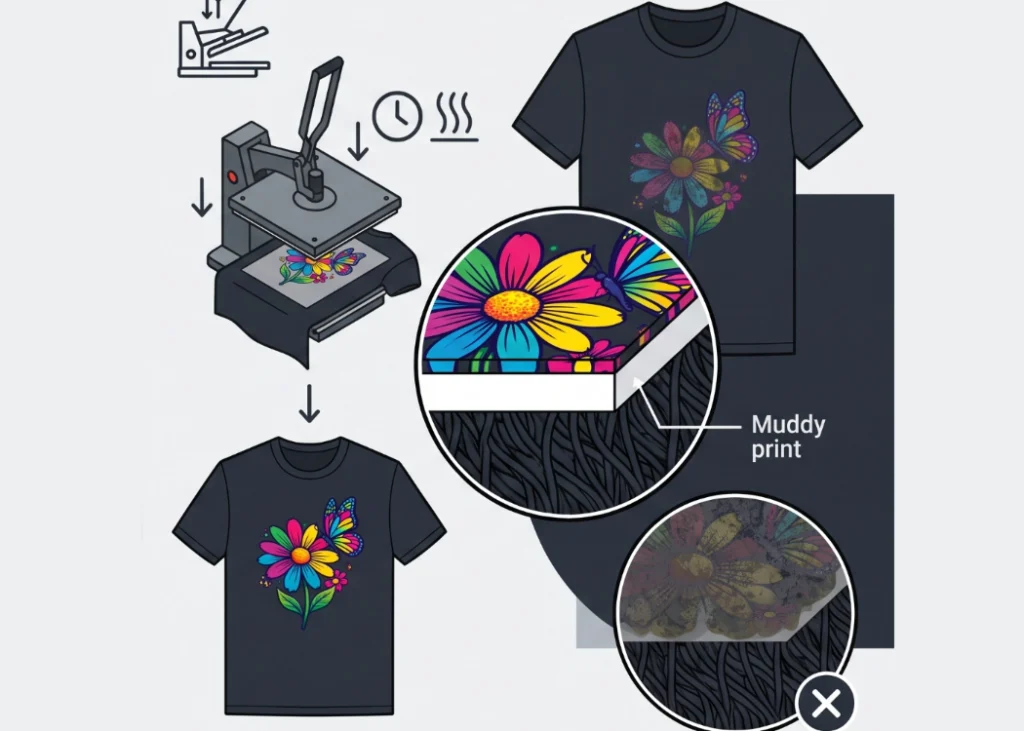
Blocking the shirt fabric color: It prevents the fabric color (especially dark or black) from bleeding through and distorting the design colors, ensuring the print remains vibrant and true to the design.
Adhesive layer: The white ink layer directly interacts with the hot-melt adhesive powder, ensuring proper adhesion before heat pressing. Without a sufficient white ink layer, the adhesive has no surface to bond to, resulting in poor transfer of the design to the fabric.
2. Why Does Density Determine Quality?
The opacity or density of the white ink is a critical factor that distinguishes high-quality prints from ordinary ones. Setting the appropriate density of white ink impacts the print quality in three main aspects:
Color Vibrancy: If the white ink density is too low, the fabric color can bleed through, making the design look dull and lifeless. However, if the white ink has the right opacity, it pushes the CMYK colors above it to be vibrant and sharp.
Hand Feel: Excessive white ink density, while making the colors more vibrant, can make the print thick and rigid, uncomfortable to wear, and prone to cracking when washed or stretched.
Wash Fastness: Proper density ensures that the adhesive powder melts and adheres perfectly to the fabric fibers, making the design durable and resistant to washing.
3. Techniques for Controlling White Ink Quality in Production
To maintain consistent print quality, it is essential to manage the white ink system as follows:
Using a WIMS (White Ink Management System): White ink contains titanium dioxide, which tends to settle easily. A good DTF printer should have an automatic mixing and circulation system to keep the ink concentration consistent.
Adjusting RIP Software Settings: Test and set the appropriate percentage of white ink (White Ink Limit) based on the film thickness and adhesive powder type. Typically, settings range from 60-80%, depending on the ink brand.
Maintaining the Print Head: White ink can clog the print head faster than other colors. Regular cleaning and nozzle checks are necessary to prevent poor ink output.
In summary, in DTF printing, “white ink” is the foundation that determines the beauty, feel, and durability of the print. Understanding and controlling the white ink density to achieve a balanced state can reduce defects and elevate print quality to meet customer expectations sustainably.
Ready to Print Custom DTF with Screen168 Bangkok?
Single pieces to bulk wholesale. Free artwork file check and instant online pricing 24/7.
🚀 View Sizes, Prices & Order Online→