
Solve Screen Printing Problems: Cracking, Fading, and Peeling!
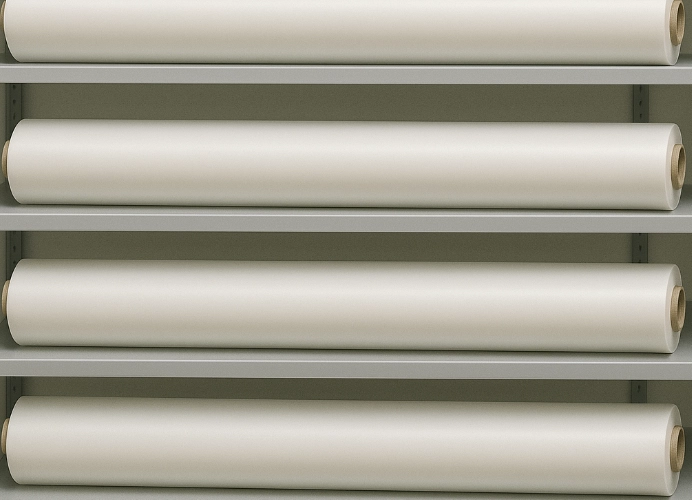
In an era where screen printing is no longer just about “printing and selling,” but has become a business that must meet the demands of quality, clarity, durability, and the ability to differentiate for customers, shops that choose to use DTF (Direct-to-Film) technology but do not pay attention to the “DTF film” they use may miss out on many opportunities.
Especially in the screen printing business — DTF film is one of the crucial steps because it acts as the intermediary between the printed design on the film and the garment that will receive the design. Therefore, if the wrong film is chosen, it will affect several aspects and lose the credibility of the shop because the products received by customers will not be effective.
If you are looking for a high-quality screen printing shop that uses DTF (Direct to Film) technology, this article is an important guide that will help you understand “DTF film,” the heart of modern screen printing work, and know how to choose to get clear, vibrant, and long-lasting prints.
What is DTF (Direct to Film)? Why is this technique popular in screen printing?
Before we look at the film, let’s get to know the DTF technique first. DTF is the process of printing the desired design onto a “special film” with specific ink, then sprinkling hot melt powder and pressing it onto various fabrics with heat. The reasons why DTF is so popular include:
Versatility with different fabrics: Whether it’s cotton, polyester, blended fabrics, nylon, or even umbrella fabric, DTF can handle them all.
Vibrant colors and high clarity: Print any shade, any complexity of design without needing a screen block, providing vivid colors and clarity even on dark fabrics due to the use of a white underbase layer and clear film.
High durability: The design adheres firmly and does not easily peel off, enduring washing and use.
Flexibility: The printed design is not stiff and moves well with the fabric.
Can print complex designs: Gradations and multi-layered colors are easier to achieve compared to traditional screen printing techniques.
The Crucial Element: How to Choose DTF Film for Premium Quality
80% of the quality of DTF printing depends on the quality of the “film” and “powder.” Here’s what you should know and use as criteria to choose a high-quality screen printing shop:
Criteria for Choosing DTF Film
1. Type of Film (Thickness & Texture)
Thick/Thin Film: DTF film comes in various thicknesses and textures to choose from, such as matte or glossy.
Durability and Flexibility: Thicker film may be more durable, but high-quality thin film will provide a better feel against the fabric. Clarity: High-quality film will have an appropriate coating, allowing ink to adhere well and print designs clearly, capturing all details.
2. Peel Type
Film comes in two main types: Cold Peel (cold peel) and Hot/Warm Peel (warm peel).
3. Quality of Hot Melt Powder
The powder adhesive used must be of high quality, fine in texture, and resistant to temperature and humidity.
Adhesion and Durability: High-quality powder adhesive melts and penetrates fabric fibers better, resulting in a more secure print that does not crack or peel off easily after washing.
4. Color Fidelity Support
The film must support DTF ink printing specifically and ensure that the printed colors are vivid and accurate to the file (Color Accuracy).
Vividness of Colors: Good film helps prevent ink bleeding and maintains the vibrancy of colors, making the screen print stand out.
Caution & Weaknesses
Although DTF has many advantages, there are “points to watch out for” that screen printers should be aware of:
- For dark or mixed fabric colors, using a white underbase layer is crucial to ensure color vibrancy and adhesion.
- Proper heat press settings are essential to avoid issues such as lifting, white spots, or ink fading.
- Choosing the right fabric can significantly improve the print quality.
- Use White Underbase Correctly
For dark or mixed fabric colors, applying a white underbase layer before the actual colors is important because:
- It ensures that the actual colors (CMYK) are clear and vibrant, preventing them from appearing washed out or dull.
- It improves the adhesion of the powder on dark fabric surfaces.
- Set Heat Press Parameters Precisely
The heat press is where the design from the film is transferred to the fabric. Incorrect settings can lead to issues such as lifting, white spots, ink fading, or wrinkled edges.
- Temperature: Follow the recommended settings for the film and powder (typically 150-170°C, depending on the fabric and film).
- Time: For example, 10-15 seconds or longer for larger designs.
- Pressure: Apply sufficient pressure to ensure the powder adheres but avoid excessive pressure that could damage the fabric.
- Choose Fabric Suitable for DTF
While DTF supports various fabrics, selecting the right one can enhance the print quality:
- 100% cotton fabric provides a soft feel and clear color display.
- Mixed or poly fabrics should use film and powder that support poly (some film types are better suited for this).
- Avoid fabrics with overly rough surfaces as the design may not adhere properly.
- Adjust Artwork/File for DTF
To ensure sharp and clear prints, it is recommended to:
- Use high-resolution PNG, AI, or EPS files (300 dpi or higher).
- Vector images are preferable to low-resolution images.
- Ensure the file includes white channels or underbase layers if necessary.
- Avoid extremely thin lines or large solid color areas if time or cost constraints are a factor.
- Post-Production Inspection & Customer Care
Inspecting the work after production and advising customers on proper care can reduce complaints:
- Check for adhesion, edge quality, and color accuracy.
- Advise customers to wash the garment in cold water, inside out, and avoid harsh detergents or bleach.
- For large prints on mixed fabrics, recommend ironing from the inside or covering with a thin cloth when ironing.
Summary: Choose DTF Screen Printing at Screen168 for Sharp, Durable Prints!
At Screen168, we use high-quality imported DTF film and powder that work together efficiently, tested by our in-house technicians. We sell film, powder, and ink. For inquiries, contact us.
DTF film is the heart of DTF t-shirt printing—choosing the right one ensures sharp, durable prints that satisfy customers.
Do not choose film solely based on low price—consider quality, compatibility with ink and fabric, and real test results.
Ready to Print Custom DTF with Screen168 Bangkok?
Single pieces to bulk wholesale. Free artwork file check and instant online pricing 24/7.
🚀 View Sizes, Prices & Order Online→