
Break the Limits! Tips for DTF Printing on Fleece and Winter Hoodies
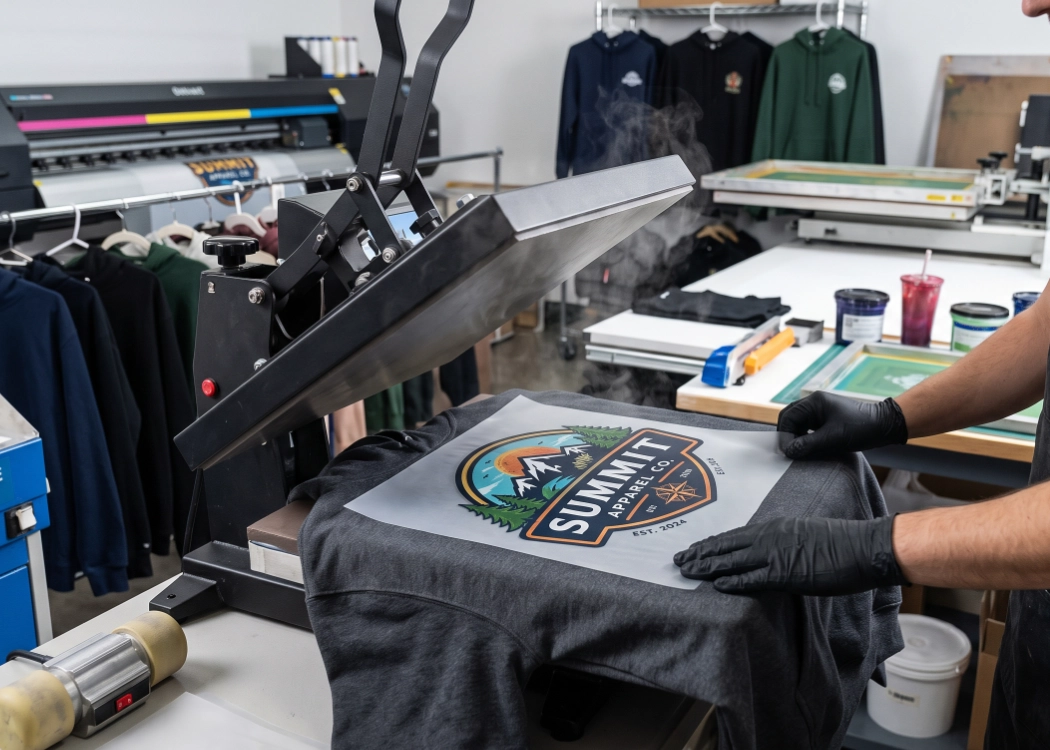
When winter approaches, or for organizations that need to produce jackets and hoodies for employees and fashion brands, one of the biggest challenges in the screen printing industry is “printing on winter wear”, especially fleece garments, which are fluffy, thick, and excellent at retaining heat. These fabrics, despite their great wearing properties, are a nightmare for traditional screen printers because the fluffy fibers cause the ink to absorb unevenly, leading to cracked prints, easy peeling, and dull colors.
However, in the current era, DTF hoodie screen printing technology (Direct to Film) has come to break these limitations completely. This article will delve into the tips, techniques, and reasons why the DTF system is the final piece that completes the perfection of printing on fleece and all types of winter wear.
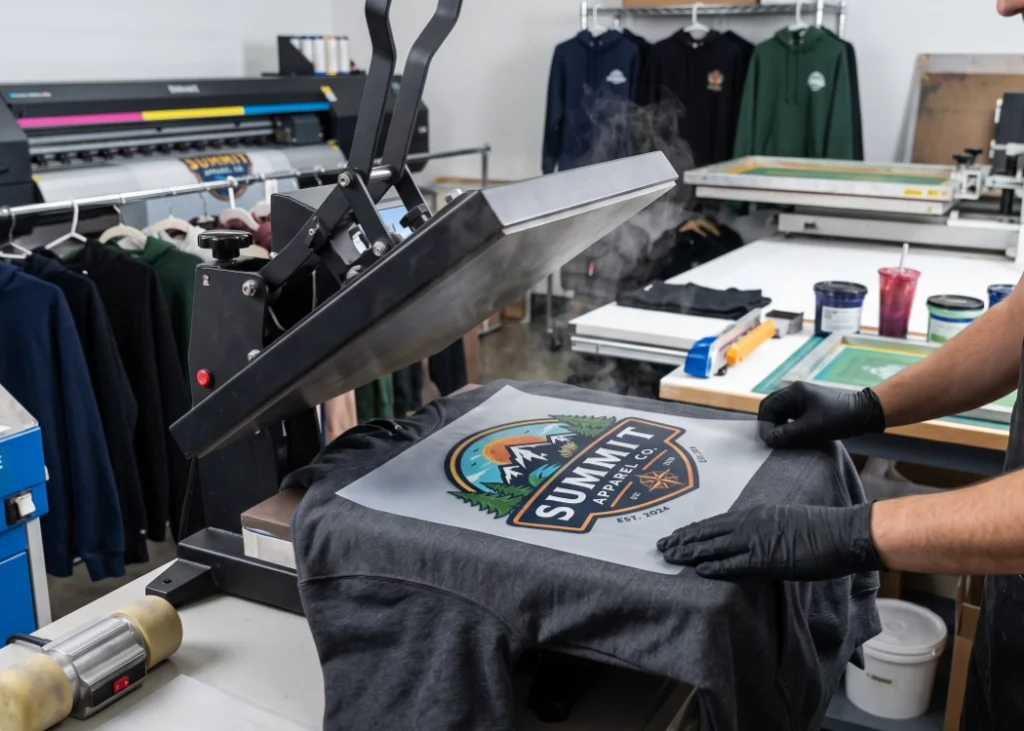
Understanding “Fleece” and the Challenges in Printing
Before we delve into the DTF hoodie printing techniques, we need to understand the basics of the material. Fleece is a fabric that is woven and undergoes a brushing process to create softness, fluffiness, and air pockets, providing excellent warmth. It is usually made from polyester fibers or a blend with cotton (CVC/TC).
Why does traditional printing have issues on fleece?
-
Silk Screen Printing: The fluffiness of fleece causes the screen to not press firmly, and rubber or plastisol ink often sinks into the fabric fibers, requiring multiple ink passes, wasting time, and making the printed area stiff and uncomfortable to wear.
-
Sublimation: While it works well on polyester, the limitation is that it can only be done on “light-colored fabrics.” If dark-colored hoodies like black or navy are needed, sublimation cannot meet the requirements.
-
DTG (Direct to Garment): Spraying ink directly onto fluffy fleece fabric causes fibers to pierce through the ink layer, making the print look faded, and requires a massive amount of pre-treatment chemicals, significantly increasing costs.
Why Is DTF Hoodie Screen Printing the Best Option?
DTF stands for Direct to Film, which involves printing designs onto a clear film, then applying powder adhesive and heat transferring it onto clothing. This technology is akin to creating a “sticker that melts into one with the fabric,” offering significant advantages when used with fleece, such as:
-
Overcoming Fuzz Limitations: Since the ink is fully printed onto the film, when heat transferred, the DTF adhesive bonds to the top surface of the fleece fabric, ensuring the design does not sink into the fibers.
-
Vivid, Crisp Colors on Any Fabric Shade: Whether your hoodie is jet black, bright red, or pure white, DTF hoodie screen printing delivers photo-quality clarity due to a thick layer of white ink base on the film.
-
High Flexibility (High Stretchability): Winter wear often stretches significantly when worn. Modern DTF adhesives and inks are designed to flex with the fabric, preventing cracking issues when stretched or washed.
-
No Minimum Quantity Limit: Whether it’s B2B orders of hundreds or B2C customers wanting a one-of-a-kind hoodie through an online ordering system, there are no screen setup costs.
In-Depth! Tips for Perfect DTF Hoodie Printing on Fleece
Printing DTF onto regular cotton t-shirts is straightforward, but printing on fleece hoodies requires extra “attention to detail.” Here are professional techniques that ensure your design will adhere firmly and last:
1. Fabric Surface Preparation (Pre-Pressing) - Don’t Overlook This Step
The primary mistake in printing on fleece is applying the design immediately. Fleece has inherent moisture and fluffy fibers. The first step is to place the hoodie on a heat press and perform a blank press for about 3-5 seconds. This step removes moisture from the fabric and temporarily flattens the fluffy fibers, creating the smoothest surface for DTF adhesive bonding.
2. Temperature and Time
While most DTF adhesives use temperatures around 150-160°C for 10-15 seconds, for DTF winter wear printing with thicker materials, consider:
-
Increasing the pressing time slightly (about 2-3 seconds) to allow heat to penetrate the film thickness and fully melt the adhesive into the fleece fibers.
-
Caution: Do not use excessively high temperatures that could burn polyester or cause scorch marks (Press Marks). If marks occur, use a Teflon pillow placed inside the hoodie to lift the specific area needing printing.
3. Pressure is More Important Than You Think
Hoodies are thicker, and if you set the heat press pressure for regular t-shirts, it will not be sufficient for printing on winter hoodies. You need to adjust the pressure to Medium-Firm (medium to firm) to ensure that the DTF adhesive is forced to penetrate the fleece fiber structure, preventing future issues of the screen print edges peeling off.
4. Film Peeling Techniques
DTF sheets come in both hot peel and cold peel varieties. For fluffy fabrics like fleece, it is recommended to use cold peel or warm peel film. Waiting for the adhesive to set and cool before peeling the film reduces the risk of the fabric fibers pulling up the adhesive when removing the film. After peeling the film, perform a “post-press” for about 5 seconds by placing a Teflon sheet over the print to smooth the surface and lock the ink for maximum durability.
Common Issues (Troubleshooting) in Printing on Winter Hoodies and How to Resolve Them
Even with advanced technology, lack of experience can lead to problems. Here are classic issues and how to handle them:
-
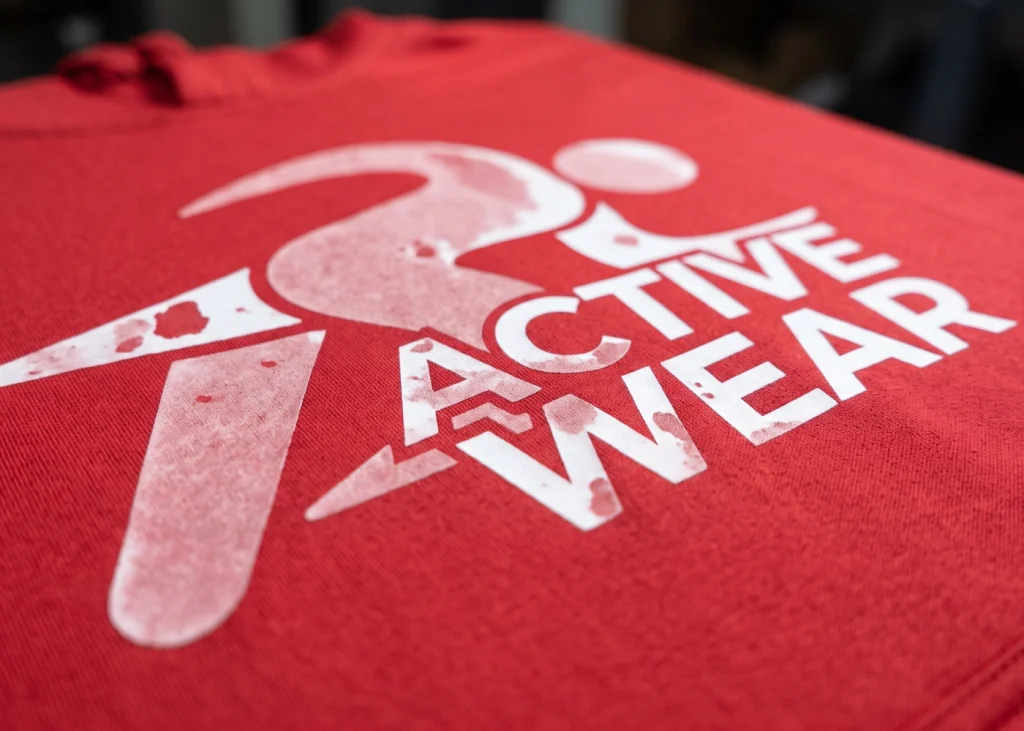
Dye Migration (Dye Bleeding into the Print): Common in red, black, or dark gray hoodies made from low-quality polyester. When exposed to heat, the fabric dye migrates and mixes with the white DTF ink, turning white prints pink or gray.
-
Solution: Use a lower heat setting but increase the time, or use anti-migration DTF powder (black) that blocks dye migration.
-
Lifting Edges of the Print: Caused by incomplete adhesive melting or insufficient pressure to overcome the thickness of the fleece fibers.
-
Solution: Insert a Teflon pillow under the printed area to raise the pressure point, avoiding seams, kangaroo pockets, or hood strings that may interfere with the press and cause uneven pressure distribution.
-
Press Marks: The fleece fabric is flattened into a square shape where the press was applied due to heat and pressure.
-
Solution: Lightly spray water over the flattened area, or use a garment steamer to lightly steam the fleece fibers, restoring them to their original fluffiness.
Caring for DTF Hoodie Screen Prints to Extend Longevity
For business owners, providing care instructions to end-users is crucial for creating a positive impression. Caring for hoodies that have been DTF screen printed follows these simple guidelines:
-
Turn Inside Out Before Washing: Always turn the garment inside out to prevent the screen print from rubbing against the washing machine drum or other clothes.
-
Avoid Hot Water and Bleach: Wash at normal temperature and avoid using bleach that can corrode the ink.
-
Avoid High Heat in the Dryer: Using a dryer on high heat can cause the adhesive to melt or the print to shrink. It is recommended to air dry in a shaded area with a breeze.
-
Iron Inside Out: If ironing is necessary, never apply the iron directly to the screen print. Iron from the inside or place a thin cloth over the print before ironing.
Techniques for Preparing Graphic Files for Premium DTF Hoodie Screen Prints
Even with advanced printing technology, if the original artwork file is not perfect, the final output will not reach its full potential. For DTF hoodie printing and fleece printing, designers should know these tips for creating graphic files:
-
File Resolution: Since current DTF printers can print up to photo quality, the artwork file should have a minimum resolution of 300 DPI and be saved as a PNG file with a transparent background to ensure accurate white ink printing. The printed lines will be sharp and clear, without blurring or breaking.
-
Color Mode Management: While you may design on an RGB screen, DTF printers work with CMYK ink (including special inks like white ink). Setting the design to CMYK mode from the start will help you see the true color shades before printing, preventing color distortion issues when transferring to the hoodie.
-
Negative Space and Halftone Techniques: Fleece fabric is thick and requires breathability. If your screen print design is a large solid block, it will make the hoodie stiff and non-breathable in that area. It is recommended that designers use negative space techniques to allow the fabric to show through or use halftone effects to blend the colors with the hoodie. This method reduces the amount of adhesive and ink, making the fleece screen print feel softer and more comfortable to wear.
Why Businesses Should Choose “DTF Hoodie Screen Printing” Over “Embroidery”?
Often, when talking about hoodies or jackets, customers first think of embroidery because they believe it looks elegant and durable. However, in reality, DTF printing has several advantages over embroidery, especially in the context of modern businesses:
-
Limitations on Color and Detail: Embroidery is limited by the number of thread colors available. If your company logo or fashion graphic has gradient colors or intricate details, embroidery may not capture all the nuances. In contrast, DTF can print photographs, reflective colors, or gradient shades without limitations.
-
Weight and Comfort: Embroidering a large logo on the chest or back of a hoodie can make that area heavier, pulling the fabric, and the inner thread may irritate the wearer’s skin. However, DTF hoodie printing provides a thin, lightweight film that adheres seamlessly to the fleece without adding weight to the garment.
-
Cost and Production Time (Cost & Lead Time): Embroidery requires “needle punching block costs,” and larger designs increase the per-unit cost with the number of stitches. Additionally, it takes longer to produce. Conversely, DTF does not require any block costs; whether you order one or a hundred units, the average cost is easier to control, making it ideal for brands that want to do pre-order or test market fashion hoodies.
Business Opportunities Unlocked by DTF Technology
The winter fashion apparel and organizational uniform market has a substantial value each year. Unlocking the limitations of printing on fleece with DTF technology has opened up new opportunities for many entrepreneurs.
-
For B2B Market: Companies can order complex-patterned, color-accurate employee jackets and hoodies that match their brand’s Corporate Identity (CI) without having to order large stock quantities, saving company budgets.
-
For B2C Market: Online sellers or artists can start an on-demand hoodie printing store immediately. With a heat press and pre-ordered DTF film printing services, they can create their own streetwear brand and quickly respond to fast-changing fashion trends.
DTF Hoodie Screen Printing Service from Screen 168: Corporate-Quality Solutions
If you are looking for a partner for producing winter wear, jackets, or hoodies, whether for business-to-business (B2B) uniform needs or for fashion brands requiring an efficient business-to-consumer (B2C) customization system, choosing a screen printing shop that specializes in materials and technology is crucial.
At Screen 168, we are ready to handle both blank hoodie cutting orders and DTF hoodie screen printing services with modern machinery that ensures sharp and detailed prints. We manage our systems with reliable corporate standards, supporting convenient and quick ordering processes. This seamless integration helps your business expand without any hitches, eliminating worries about peeling prints. You can be confident that every design on the fleece fabric will be beautiful, durable, and weather-resistant.
Ultimately, the limitations of printing on thick fabrics are no longer a concern if you understand the nature of the fabric and use DTF technology correctly. This innovation not only preserves the beauty of the design but also elevates the quality of winter fashion products to a new level. If you are interested in turning your ideas into tangible high-quality winter wear pieces, try applying these techniques, and you will see a clear difference.
Ready to Print Custom DTF with Screen168 Bangkok?
Single pieces to bulk wholesale. Free artwork file check and instant online pricing 24/7.
🚀 View Sizes, Prices & Order Online→