
DTF Film is the Heart of High-Quality T-Shirt Printing
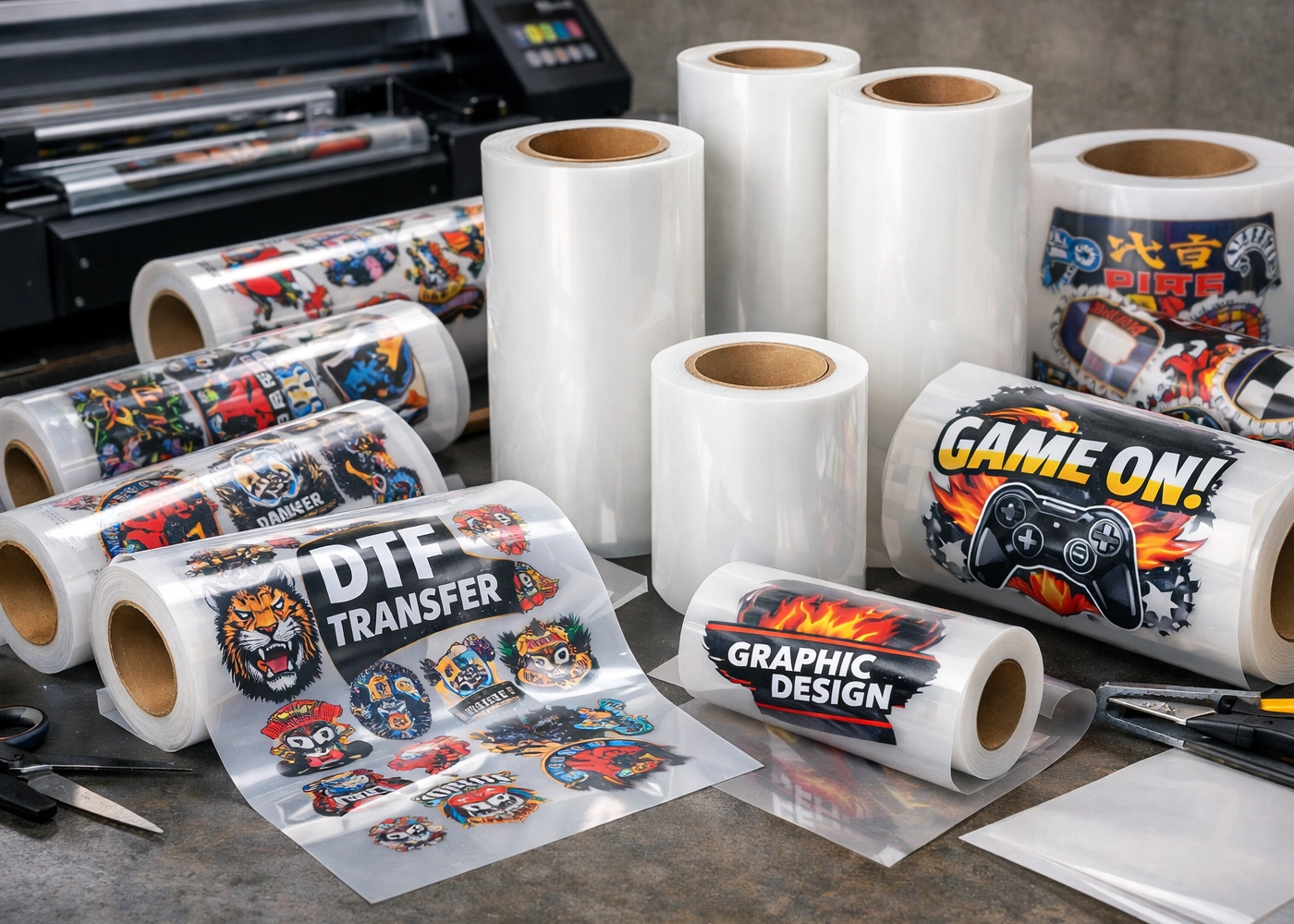
The Arrival of DTF Technology and Its Impact on T-Shirt Printing
In recent years, the world of T-shirt printing has undergone significant changes with the advent of DTF (Direct to Film) technology, which has become the new standard for garment printing. DTF printing is renowned for its outstanding quality, sharp image clarity, and durability after washing, making it a preferred choice for many printing businesses.
Understanding DTF Film: Hot or Cold?
Hot Film vs. Cold Film
Hot Film
- Temperature: Approximately 150-160°C
- Press Time: About 10-15 seconds
- Immediate Removal: Lift the film immediately after pressing
- Adjustments: Increase pressure or time slightly if issues arise
Cold Film
- Temperature: Approximately 150-160°C
- Press Time: About 12-15 seconds
- Cooling Required: Allow the film to cool before removal
- Re-Pressing: If the film does not lift completely, re-press for 3-5 seconds with parchment paper
Key Considerations for Choosing DTF Film
Factors to Consider
DTF Adhesive Powder
- Quality: Low-quality adhesive can lead to poor adhesion and rough surfaces, even with high-quality film.
- Performance: High-quality adhesive should melt smoothly and adhere firmly.
DTF Ink
- Compatibility: Ensure ink compatibility with the film to prevent bleeding or fading.
Pressing Equipment and Pressure
- Temperature Consistency: Ensure even heat distribution across the press to avoid uneven adhesion.
- Press Quality: High-quality pressing equipment is crucial for consistent results.
Technician Skill
- Experience: Proper training and experience are essential to avoid common mistakes such as insufficient pressure, incorrect timing, or improper temperature settings.
Choosing the Right Film for Your Business
Speed vs. Quality
For Speed
- Hot Film: Ideal for high-volume orders and quick turnaround times.
For Quality
- Cold Film: Best for detailed designs and premium projects requiring the highest clarity and durability.
Versatile Printing
- Both Films: Recommended for businesses handling a variety of projects to cater to different customer needs.
Common Mistakes to Avoid
- Choosing Low-Quality Film: Opt for high-quality materials to ensure reliable performance.
- Using Hot Film for Detailed Designs: Hot film may not be suitable for intricate designs, leading to poor adhesion.
- Removing Cold Film Prematurely: Wait for the film to cool completely to avoid damaging the print.
- Using Inadequate Pressing Equipment: Ensure your equipment provides consistent heat and pressure.
- Using Low-Quality Adhesive: High-quality adhesive is essential for optimal results.
- Not Testing New Film: Always test new film before full-scale production to avoid unexpected issues.
Conclusion: Hot Film or Cold Film – Which is Better?
There is no one-size-fits-all answer to whether hot or cold film is better. Each type is designed to meet the specific needs of different printing projects.
- For Speed: Use hot film.
- For Quality and Durability: Use cold film.
- For Versatility: Maintain both types to cater to a wide range of customer requirements.
Choosing the right DTF film can significantly enhance your printing business’s efficiency, deliver high-quality products to customers, and reduce costs associated with rework or waste.
Ready to Print Custom DTF with Screen168 Bangkok?
Single pieces to bulk wholesale. Free artwork file check and instant online pricing 24/7.
🚀 View Sizes, Prices & Order Online→