
Screen168's Beginner's Guide to T-Shirt Printing
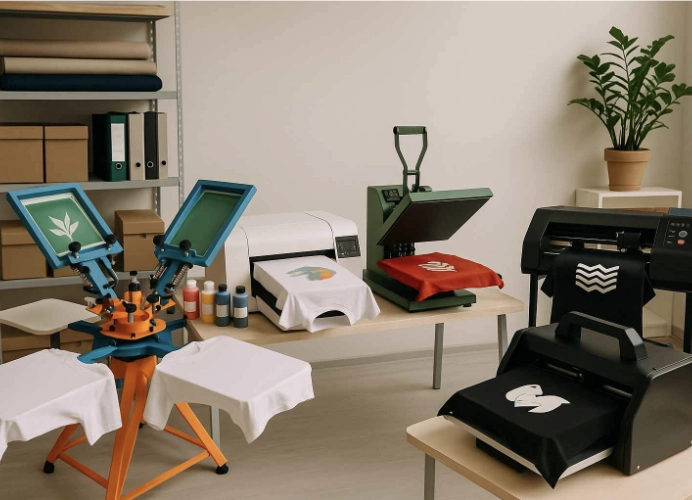
Today, we bring together techniques, basics, and precautions for various printing systems for those interested in T-shirt printing.
First, we would like to inform you that our shop focuses on DTF T-Shirt Printing (we offer high-quality films, hot-melt adhesive powder, and ink suitable for efficient printing work). However, before we specialized in DTF, we also worked with other printing systems.
First, you should know that T-shirt printing is not just about printing designs on fabric but is a process of creating valuable artwork both commercially and emotionally. You get unique, high-quality shirts that hold sentimental value, whether you are a brand owner, a group looking to make team shirts, or even a beginner in the T-shirt printing business. We recommend reading this article first as it will introduce you to the basics, techniques, and precautions that newcomers should understand before getting started.
Types of T-Shirt Printing Techniques
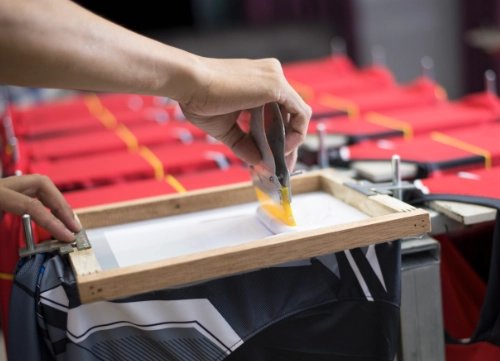
1.1 Traditional Silk Screen Printing (Silkscreen Printing)
This is the traditional method and is still highly popular today because it is suitable for large-scale production. It is ideal for printing T-shirts with a limited number of colors, as the initial cost is high due to the need to create a screen (if multiple colors are used and the number of shirts is small, but if only a few colors are used and the production quantity is large, the costs will be reduced).
Advantages: Vivid colors, high wash durability, suitable for large volumes, and graphic designs that are not too complex.
Disadvantages: Not cost-effective for small quantities, limited colors per print run, requires a base coat for non-white shirts, which demands precision from both the screen maker and printer to avoid color bleeding.
1.2 DTF (Direct to Film)
A new technology that is gaining popularity, allowing designs to be printed on film and then heat-pressed onto shirts immediately. It works with shirts of any color and various fabric types, capable of printing from simple to complex graphic designs.
Advantages: Vivid colors, sharp clarity, durable, no color limit, suitable for small or large quantities, can print on various fabric types, even one piece.
Disadvantages: Requires skilled technicians due to multiple steps involved, including printing on film, applying hot-melt adhesive powder, and curing.
1.3 DTG (Direct to Garment)
The printer prints directly onto the fabric, works well with cotton, and can handle intricate details.
Advantages: Sharp, detailed prints, no need for screens, can print even one piece.
Disadvantages: Best for white cotton shirts because other colors can cause ink to blend with the fabric, leading to color bleeding or fading.
1.4 Flex Printing
Used for sports and activity shirts, suitable for DTF, Flex, or sublimation techniques depending on the design and position.
2.2 Size and Position of Print
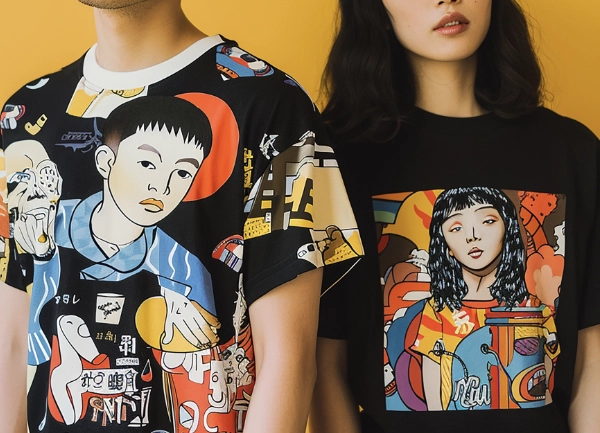
Popular positions include the center chest, back, or hem of the shirt, or the sleeve. Each position has varying levels of difficulty and may require additional equipment for printing or heat pressing.
Preparing Files for Printing
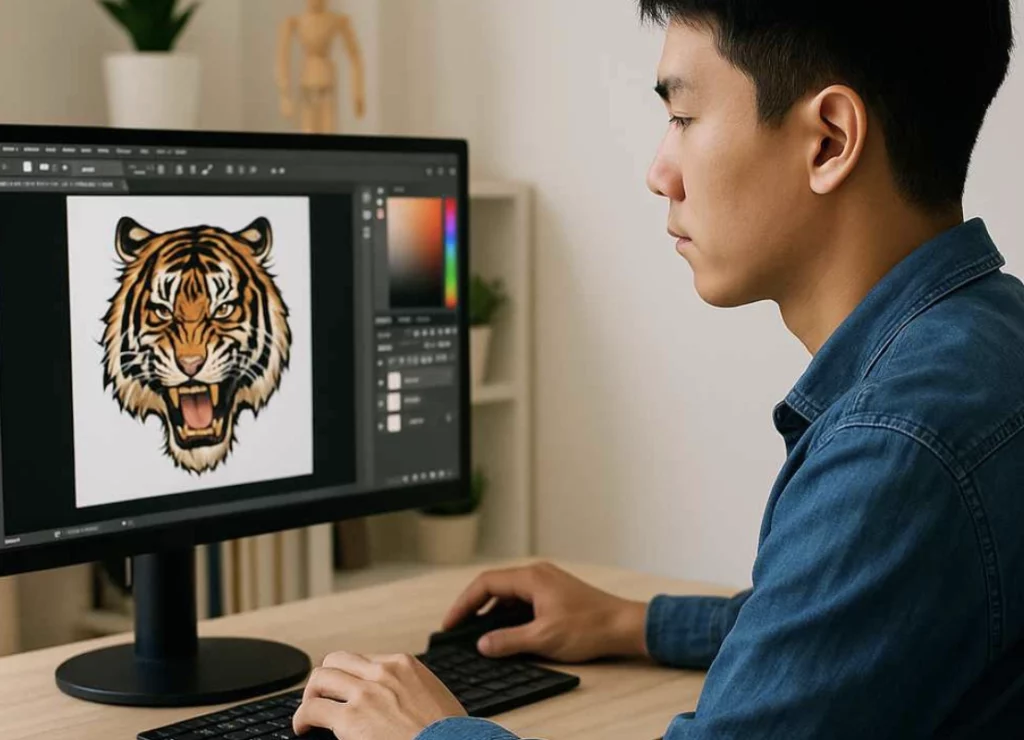
The file type depends on the shop, but high-resolution AI files are commonly used.
Check the actual size before sending.
Convert text to outlines to prevent font issues when using different machines.
For multi-color prints, consult the manufacturer about the number of shirts, shirt type, and design suitability.
Precautions for Beginners
4.1 Choosing the Wrong Technique for the Fabric Type
Using DTG on TK fabric, which does not absorb ink well, can cause the design to fade quickly and look unprofessional.
Solution: Consult the shop beforehand and clearly specify the fabric and shirt color.
4.2 Ordering Too Few Units with High Initial Costs
Silk screen printing is not cost-effective for orders of 1-10 units due to the need to create screens.
Solution: Use DTF instead, as it has no color or quantity limits and works with non-white fabrics.
4.3 Sending Files That Do Not Meet Specifications / Too Small Designs
Small designs will not be clear when printed, making the image look unsharp.
Solution: Follow the shop’s recommendations for file specifications.
4.4 Not Allowing for Cutting and Sewing Margins
Some jobs require sewing after printing, such as full-print sports shirts. Without allowances, the design may misalign.
Solution: Confirm the shirt position with the shop before printing.
Maintaining Printed Shirts for Longevity
Turn the shirt inside out before washing and ironing to extend the print’s life.
Avoid using bleach.
Air dry in the shade with a breeze, as direct sunlight can cause fading.
Iron the print with a cloth or iron the back instead of directly on the print.
T-shirt printing is not just about printing designs on fabric but creating a unique and emotional connection for the wearer. Understanding techniques, materials, and precautions can help you create quality work even as a beginner, as each fabric type is suitable for different printing methods and requires practice to master.
Ready to Print Custom DTF with Screen168 Bangkok?
Single pieces to bulk wholesale. Free artwork file check and instant online pricing 24/7.
🚀 View Sizes, Prices & Order Online→