
Should Newbies Buy a New or Used DTF Printer? What to Check
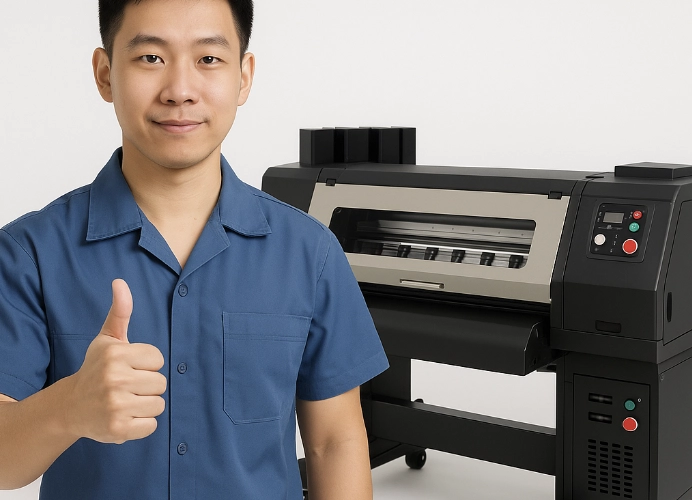
DTF Printing: The Rising Trend in T-Shirt and Custom Printing
DTF (Direct-to-Film) printing has become a popular trend in the T-shirt and custom printing industry. This technology allows for printing on film and then heat pressing the design onto various fabric types, including cotton, polyester, and blends. This has attracted both small and large T-shirt printing businesses to invest in DTF printers.
However, a common question among newcomers is whether to buy a new or second-hand printer. New printers are expensive but safer, while second-hand printers are cheaper but riskier. This article provides guidance on how to choose and inspect a second-hand DTF printer.
Understanding DTF Printing
What is DTF Printing?
DTF printing involves printing designs onto a film and then heat pressing them onto fabric. This method offers high-quality prints with vibrant colors and durability.
Benefits of DTF Printing
- Versatility: Can be used on various fabric types.
- Durability: Prints are resistant to fading and washing.
- Ease of Use: Simplifies the printing process.
New vs. Second-Hand DTF Printers
Advantages of New Printers
- Peace of Mind: Comes with a warranty and support.
- Reliability: No hidden issues or repairs needed.
Advantages of Second-Hand Printers
- Cost-Effective: Can save a significant amount of money.
- Opportunity to Learn: Provides hands-on experience.
How to Inspect a Second-Hand DTF Printer
If you decide to buy a second-hand printer, follow these steps to minimize the risk of getting a faulty machine:
1. External and Internal Condition
- Cleanliness: Check for ink stains or residue, indicating poor maintenance.
- Main Components: Inspect the print head, ink pump, and heating system for signs of wear.
- Rust or Ink Stains: Look for signs of improper repairs or mismatched parts.
2. Print Head
- Critical Component: The print head is the most expensive part and crucial for performance.
- Nozzle Check: Test the print head for clogs by printing a nozzle check sheet. Ensure all colors print correctly.
3. Ink System
- Ink Flow: Check for leaks and ensure the ink is from the recommended brand.
- Ink Age: Ask about the ink’s age, as old ink can affect print quality and cause clogs.
4. Control System
- Functionality: Test the printer with real prints to ensure proper communication with the computer.
- Display and Buttons: Verify that the display and buttons work correctly.
5. Heating and Shaker Systems
- Consistency: Check if the heating and shaker systems work smoothly.
- Ink Distribution: Observe if the ink disperses evenly during operation.
6. Software Connection
- Compatibility: Connect to the computer and test printing commands.
- RIP Software: Ensure the RIP software is up-to-date and functioning properly.
7. Age and Repair History
- History: Ask the seller about the printer’s usage history and repair records.
- Documentation: Request purchase receipts or warranty documents for verification.
Red Flags for Fraudulent Sales
- Unusually Low Prices: Be wary of prices significantly lower than the market.
- Rushed Transactions: Sellers pushing for quick payments without showing the printer.
- Lack of Transparency: Sellers refusing to let you test the printer or disclose repair history.
Tips for Newcomers
- Budget Allowance: If you have the budget, starting with a new printer is the safest option.
- Limited Budget: With a limited budget and inspection knowledge, a second-hand printer can be a viable choice.
- Expert Assistance: Consider bringing an experienced technician to help with the inspection.
Conclusion
For newcomers seeking peace of mind and with sufficient budget, investing in a new printer is the safest and most reliable long-term option. However, with limited budget and inspection skills, a second-hand printer can also be a good choice. The key is to be thorough in your inspection and avoid rushed decisions.
- New Printer: Peace of mind and reliability.
- Second-Hand Printer: Cost savings but higher risk, requiring detailed inspection.
If you want to avoid scams, learn to inspect the printer thoroughly or buy from a reputable seller who allows you to test the printer before purchasing.
Ready to Print Custom DTF with Screen168 Bangkok?
Single pieces to bulk wholesale. Free artwork file check and instant online pricing 24/7.
🚀 View Sizes, Prices & Order Online→