
Solving DTF Film Wrinkles During Printing: Unexpected Causes and Professional Solutions for Screen168
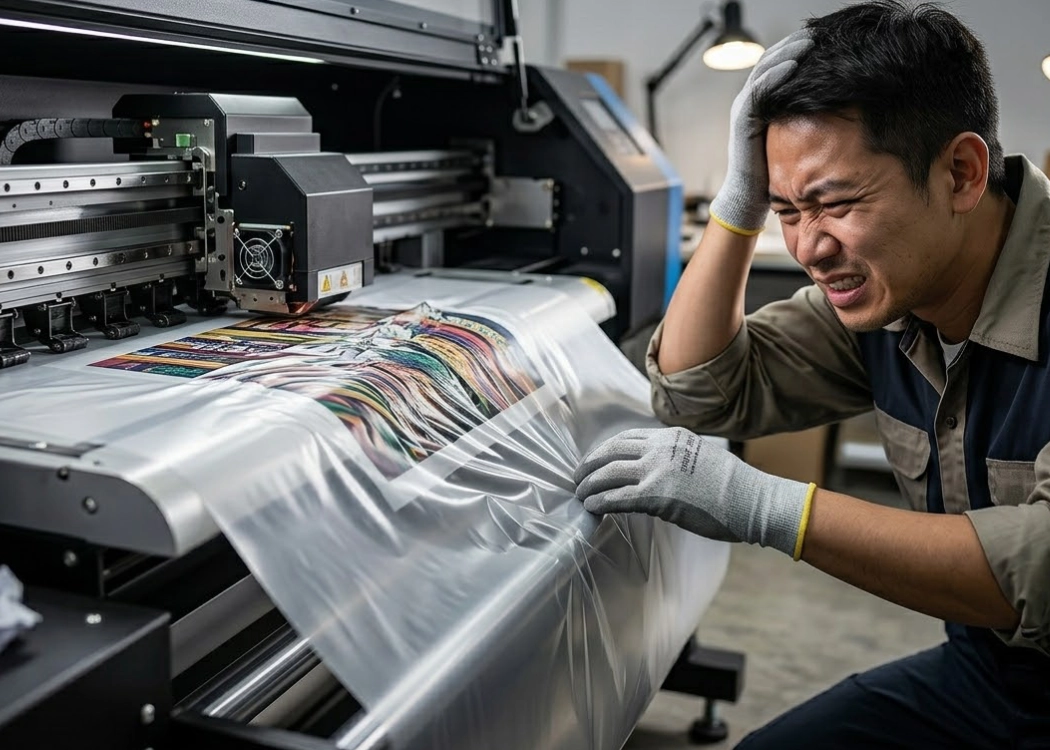
The Enigma of DTF Film Wrinkling in T-Shirt Printing
In today’s screen printing industry, no one can deny the popularity of the DTF (Direct to Film) or DFT (Digital Film Transfer) system. This technology offers a comprehensive solution for t-shirt printing shops, addressing various needs such as no minimum order requirements (even for single pieces), complex color gradients, and the ability to print on a variety of fabrics including cotton, polyester, and blends without the need for traditional silk screens.
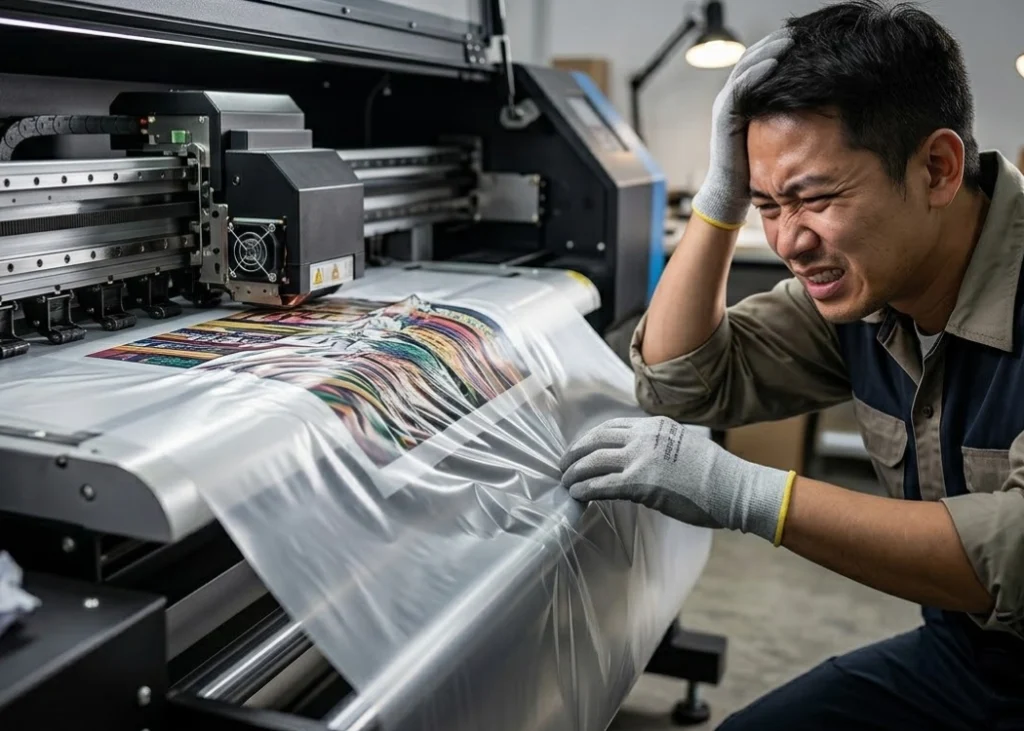
However, despite its apparent versatility, many screen printers encounter technical issues during the production process, one of the most common being DTF film wrinkling. This problem not only ruins prints, causing ink smears and image distortion, but also risks damaging the print heads, which are the most expensive components of the printer. This article delves into the often-overlooked causes of DTF film wrinkling and provides practical solutions.
Understanding the Physical Causes
Cause 1: Environmental Factors and Static Electricity
DTF film is sensitive to environmental conditions, particularly humidity and static electricity. Low humidity can cause static buildup, making the film stick to the platen or rollers, leading to wrinkling.
Solutions:
- Install Grounding Strips: This is the most effective method for wide-format printers. Ensure the printer is properly grounded to discharge static electricity.
- Use Anti-Static Devices: Install anti-static bars above the printing area to neutralize static charges on the film.
- Maintain Humidity Levels: Keep humidity levels between 40% and 60% to prevent static buildup and film wrinkling.
Cause 2: Issues with Tension and Transport Systems
Consistent tension and smooth transport are crucial for preventing film wrinkling. Any irregularities in the transport system can cause the film to deviate from a straight path.
Solutions:
- Clean Transport Rollers: Regularly clean the transport rollers to remove any buildup that can cause inconsistent tension.
- Check Film Rolls: Ensure that new film rolls are perfectly cylindrical and securely mounted on the feed shaft.
- Adjust Ink Load: For large prints, reduce the white ink load slightly (e.g., from 200% to 180%) in the RIP software or adjust the ICC profile.
Physical Understanding and Preventive Maintenance
Understanding the physical causes of film wrinkling is key to addressing the issue effectively. Regular maintenance of the printer, including cleaning transport rollers, checking film rolls, and maintaining proper environmental conditions, is essential for preventing film wrinkling.
Conclusion: The Importance of Maintenance
While DTF film wrinkling may seem like a minor issue, it can significantly impact the quality and cost-effectiveness of t-shirt printing. Proper maintenance, environmental control, and regular cleaning are crucial for ensuring crisp, vibrant prints that are durable and profitable.
If you need further advice on maintaining DTF printers or selecting high-quality DTF materials (film, ink, and adhesive powder), contact Screen168. We are here to provide professional guidance and services to help your t-shirt printing business thrive.
Ready to Print Custom DTF with Screen168 Bangkok?
Single pieces to bulk wholesale. Free artwork file check and instant online pricing 24/7.
🚀 View Sizes, Prices & Order Online→